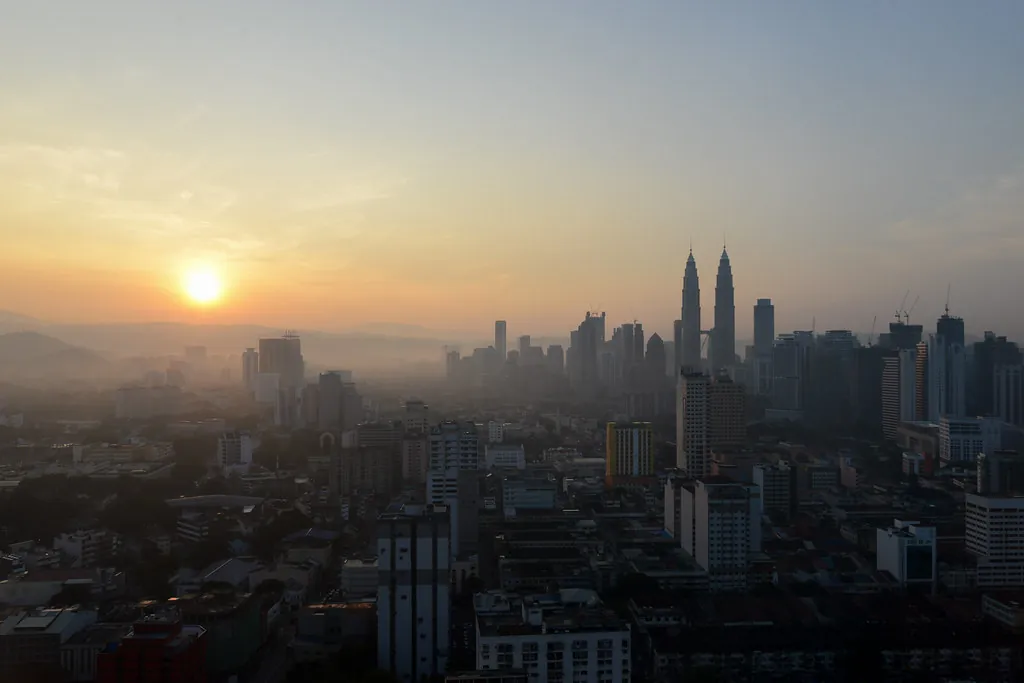
Best Digital Nomad Visas 2026: By Income and Length of Stay
By the VisaVoyager team · Reviewed by Ethan Parent, founder · Published
Nine digital nomad visas compared for 2026, grouped by how much you need to earn and how long you can stay, with official income figures, fees and tax rules.
The best digital nomad visa for you depends on two things: how much you earn and how long you want to stay. In 2026, Spain asks for about €2,442 a month, Malaysia's DE Rantau pass US$36,000 a year for tech workers, and Thailand's DTV only a 500,000 baht bank balance. If you want to stay for years rather than months, look at Malta (up to four years), Malaysia (up to 48 months), South Africa (up to three years) and Thailand (a five-year visa).
This guide compares nine visas that are open in 2026 (Malaysia's has two income tracks), sorted by income level and length of stay. Every figure links to the official source we checked.
Key facts for 2026
- Lowest income tests in this guide: Spain (€2,442 a month over 14 payments), Costa Rica (US$3,000 a month) and Malaysia's tech track (US$36,000 a year). Thailand's DTV uses savings instead: 500,000 THB.
- Highest: Indonesia's E33G and Malaysia's non-tech track, both US$60,000 a year.
- Longest stays: Thailand DTV (a 5-year visa), Malaysia DE Rantau (up to 48 months), Malta (up to 4 years), South Africa (up to 3 years).
- Shortest: Croatia, up to 18 months, and then you wait six months before applying again.
- Fees vary widely: Portugal charges €110 for a national visa; Malta €300 plus €100 for the residence card; Malaysia RM1,080 plus RM360 a year.
- From VisaVoyager's database (22 November 2026): of the 42 digital nomad and remote-work visas we track, 23 publish a monthly income figure. The median is about US$3,270 a month, and only 9 ask for US$3,000 a month or less.
The best digital nomad visas in 2026 at a glance
The table below compares nine digital nomad visas (ten rows, as Malaysia has two tracks) for 2026 by income requirement, maximum stay and application fee. Income is shown in the currency each government uses; the US$ column is VisaVoyager's rough monthly conversion, for comparison only.
| Country and visa | Official income or funds test | About US$ a month | How long you can stay | Main fee | |---|---|---|---|---| | Thailand DTV | 500,000 THB bank balance | n/a (savings) | 5-year visa | US$400 (Washington) | | Spain teleworking visa | 200% of the minimum wage: €2,442 a month × 14 | ~3,150 | visa valid up to 1 year | varies by consulate | | Costa Rica digital nomad | US$3,000 a month (US$4,000 with dependants) | 3,000 | 1 year + 1-year renewal | US$100 | | Malaysia DE Rantau (tech) | US$36,000 a year | 3,000 | up to 48 months | RM1,080 + pass fee | | South Africa remote work visa | R650,796 a year (gross) | ~3,200 | up to 3 years | not published on the checklist | | Malta Nomad Residence Permit | €42,000 a year (gross) | ~3,870 | 1 year, renewable to 4 years | €300 + €100 card | | Croatia digital nomad stay | €3,622.50 a month | ~4,000 | up to 18 months | €55.74 + €93 visa | | Portugal D8 | 4 × minimum wage: €3,680 a month | ~4,070 | residency or temporary stay visa | €110 | | Indonesia E33G | US$60,000 a year | 5,000 | up to 1 year | see official site | | Malaysia DE Rantau (non-tech) | US$60,000 a year | 5,000 | up to 48 months | RM1,080 + pass fee |
Want to see every option, not just these ten? Browse all digital nomad visas on VisaVoyager, or take the quiz to rank the ones you actually qualify for.
How we chose these visas
We picked visas that are open in 2026, where we could confirm the income test and length of stay on an official government page this week, and that suit different budgets and regions. Popular routes we couldn't verify this time, such as Cyprus, the UAE, Brazil and Colombia (their official pages blocked us or wouldn't load), are left out rather than guessed. Italy and Japan have their own guides or need a highly qualified job or a very high income; see our Italy digital nomad visa guide.
"Best" here means: a clear, published rule; a stay long enough to settle; and a cost that's reasonable for most remote workers. It doesn't mean easiest for every passport. Always check the page for the consulate where you'll apply.
Which digital nomad visas have the lowest income requirements?
Among the visas we checked in 2026, the lowest published income tests are Spain's teleworking visa (€2,442 a month over 14 payments), Costa Rica's (US$3,000 a month) and Malaysia's DE Rantau pass for tech workers (US$36,000 a year). Thailand's DTV is different: it asks for 500,000 THB in the bank rather than a monthly income.
Thailand: Destination Thailand Visa (DTV)
Thailand's DTV is a five-year visa whose "workcation" category covers digital nomads, remote workers and freelancers. Instead of an income test, the Thai embassy in Washington asks for bank statements for the last three months with an ending balance of at least 500,000 THB (it gives US$16,000 as the equivalent) each month. The Washington fee is US$400. Extensions are handled by Thai Immigration once you're in the country.
Good for: people with savings and modest or irregular income who want a long base in Asia. Not for: anyone wanting residence that leads to permanent residency. Read our full DTV guide for stay limits and documents.
Spain: visa for international teleworking
Spain's digital nomad visa asks for income of 200% of Spain's minimum wage. The Spanish consulate's visa page puts that at €2,442 a month over 14 payments, based on the 2026 minimum wage of €1,221 a month. The visa is valid for up to one year.
Employees may only work for companies outside Spain. Self-employed applicants may also work for Spanish clients, as long as that's no more than 20% of their total work. Our Spain digital nomad visa guide covers what happens after the visa, family add-ons and tax.
Costa Rica: digital nomad stay
Costa Rica's digital nomad programme needs a stable net income of US$3,000 a month, or US$4,000 with dependants, according to the Costa Rica Tourism Board (ICT), a government agency. It extends a 90-day tourist stay to a full year, with the option to renew for one more. The ICT also says digital nomads are exempt from income tax, health insurance must cover at least US$50,000, and the fee is US$100.
We couldn't open the immigration authority's own page this run, so check the figures with Costa Rica's Dirección General de Migración before you apply.
Malaysia: DE Rantau Nomad Pass
Malaysia's DE Rantau Nomad Pass has two income levels. The official DE Rantau FAQ (version 11, 1 November 2026) sets US$36,000 a year for tech workers (developers, designers, digital marketers, content creators and similar) and US$60,000 a year for non-tech roles such as managers, consultants and accountants.
- Length: an initial 3 to 12 months, with up to three 12-month renewals, so 48 months in total.
- Fees: a non-refundable processing fee of RM1,080 per applicant and RM540 per dependant, plus an immigration pass fee of RM360 a year. You also lodge a refundable personal bond, which varies by nationality.
- Who can apply: all nationalities except Israel; you must be over 18 and have worked under your current contracts for at least three months.
- Processing: six to eight weeks.
- Catch: the pass covers Peninsular Malaysia and Labuan only, and most banks won't open an account for a holder of this pass.
South Africa: remote work visa
South Africa's remote work visa is for people employed by a foreign company and lets you stay from three months up to three years. The Department of Home Affairs checklist (in force since 9 October 2024) asks for a gross salary of at least R650,796 a year, shown with three months of bank statements, plus a signed contract with your foreign employer.
It's for employees, not freelancers: the checklist asks for an employment contract. You can't switch to another visa type from inside South Africa, except in exceptional circumstances.
Which digital nomad visas in Europe suit higher earners?
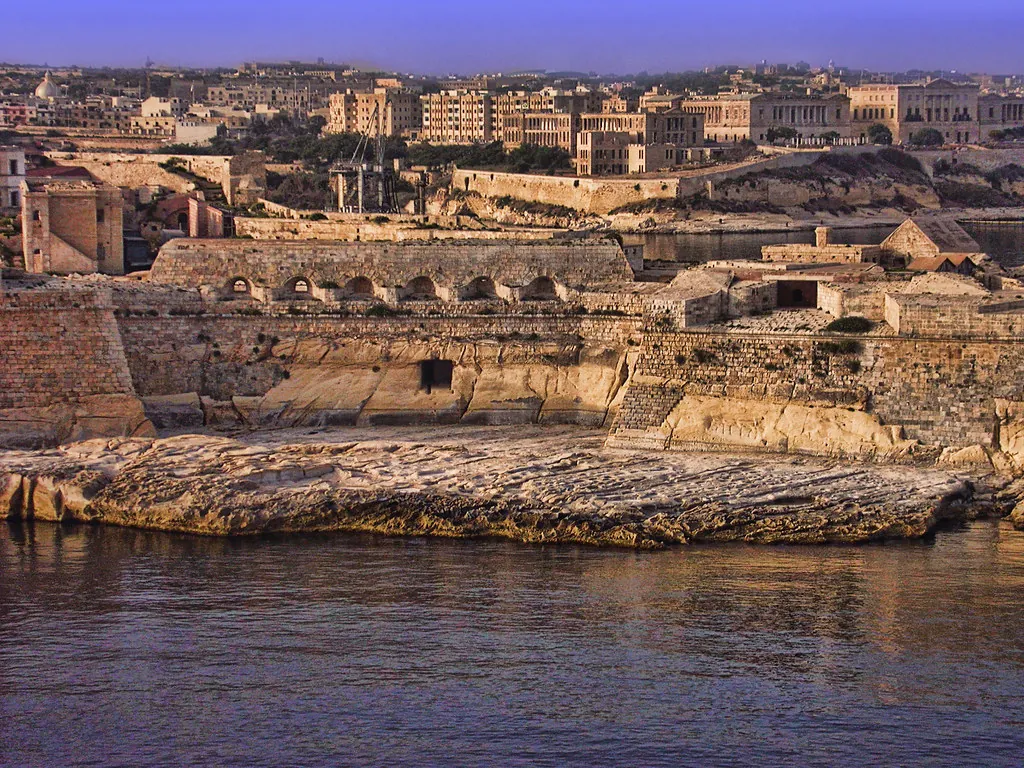
If you earn roughly €3,500 to €3,700 a month or more, Malta, Croatia and Portugal all open up. Malta needs €42,000 a year and allows up to four years. Croatia needs €3,622.50 a month for up to 18 months. Portugal's D8 needs four times the minimum wage, €3,680 a month in 2026.
Malta: Nomad Residence Permit
Malta's Nomad Residence Permit needs a gross income of €42,000 a year, according to the Residency Malta FAQ (people who applied before 1 April 2024 keep the old €32,400 figure). The permit lasts one year and can be renewed three times, for up to four years. The application fee is €300 per person, plus €100 per person for the residence card.
Good for: English-speaking EU life with a long runway. Malta doesn't give tax advice on the permit, so get your own.
Croatia: temporary stay for digital nomads
Croatia's digital nomad stay needs €3,622.50 a month (2.5 times Croatia's average net monthly salary for the previous year), says the Croatian Ministry of the Interior. You can stay up to 18 months. If you were granted less, you can apply to extend before it ends.
Two catches: you can't work for or provide services to Croatian employers, and once your stay ends you must wait six months before applying again. Applying through a consulate costs €55.74 for the stay plus €93 for the long-stay visa.
Portugal: D8 digital nomad visa
Portugal's D8 visa needs average monthly income over the last three months of four times Portugal's minimum wage. The Portuguese visa portal sets the rule, and the means-of-subsistence page gives the 2026 minimum wage as €920, so the bar is €3,680 a month.
The D8 comes as a residency visa (the route to a residence permit) or as a temporary stay visa for shorter stays. The visa fee is €110. Comparing it with the passive-income D7? See Portugal D7 vs D8.
Which visas need US$60,000 a year?
Indonesia's E33G remote worker visa and Malaysia's DE Rantau pass for non-tech workers both need US$60,000 a year. Both suit well-paid employees or consultants who want a base in South-East Asia.
Indonesia: E33G remote worker visa
Indonesia's E33G lets you live in Indonesia for up to one year while working for a company outside the country. The Indonesian immigration e-visa page asks for a bank account showing salary or income of at least US$60,000 a year and an employment contract with a company established outside Indonesia. You must enter within 90 days of the visa being issued, and you can't be paid by anyone in Indonesia.
Which digital nomad visas let you stay the longest?
Thailand's DTV is valid for five years, Malaysia's DE Rantau pass and Malta's Nomad Residence Permit allow up to four years, and South Africa's remote work visa up to three. Croatia caps you at 18 months, and Indonesia's E33G and Costa Rica's first stay last one year.
| Visa | Maximum stay | Renewal | |---|---|---| | Thailand DTV | 5-year visa | extensions handled by Thai Immigration | | Malaysia DE Rantau | 48 months | three 12-month renewals | | Malta Nomad Residence Permit | 4 years | renewable three times | | South Africa remote work visa | 3 years | n/a | | Costa Rica digital nomad | 2 years | one 1-year renewal | | Croatia digital nomad | 18 months | wait 6 months before reapplying | | Indonesia E33G | 1 year | check the e-visa site |
None of these visas is designed as a fast route to permanent residence. Portugal's D8 residency visa is the first step to a Portuguese residence permit, which makes it the closest to a settling route here; see Portugal D7 vs D8.
Will you pay tax on a digital nomad visa?
A digital nomad visa doesn't decide your tax; where you're tax resident does. Several governments spell out the line: South Africa expects you to register with its revenue service after 183 days in a 12-month period, and Malaysia taxes remote workers who stay more than 60 days.
- South Africa: if you're tax resident in a country with a double tax treaty with South Africa, you must register with SARS once you've been in South Africa for more than 183 days in any 12-month period. Otherwise you must register anyway (DHA checklist).
- Malaysia: the DE Rantau FAQ says foreign remote workers paid from abroad aren't taxed if they stay 60 days or less, and become taxable from 61 days, subject to tax treaties. You need an income tax registration before your pass is endorsed, and must settle tax before renewing.
- Costa Rica: the ICT says digital nomads are exempt from income tax.
Your home country may still tax you too, especially if it taxes by citizenship rather than residence. Get advice before you move.
How to choose the right digital nomad visa
Start with your income and the type of work you do, then match the length of stay to your plans. These rules of thumb come straight from the requirements above:
- Freelancer with lots of clients? Spain (up to 20% Spanish clients for the self-employed) and Malaysia (up to three overseas clients or employers at once) suit you. South Africa and Indonesia ask for an employment contract.
- Savings but uneven income? Thailand's DTV tests your bank balance, not your pay.
- Want several years in one place? Malaysia, Malta, South Africa or Thailand.
- Want a path to settling? Look at Portugal's D8 residency visa, which leads to a residence permit.
- Travelling with family? Check add-ons: Costa Rica raises the bar to US$4,000 a month; Malaysia charges RM540 per dependant.
Not sure which you'd qualify for? Take the VisaVoyager quiz for a ranked shortlist, or explore country pages such as Malaysia, Malta and Croatia.
Questions people ask
Which country has the easiest digital nomad visa?
"Easiest" depends on your situation, but Spain's teleworking visa has one of the lowest published income tests in Europe (€2,442 a month over 14 payments in 2026). Thailand's DTV asks only for 500,000 THB in savings. Malaysia's DE Rantau pass is open to almost every nationality and has a lower income test for tech workers.
Can I work for local clients on a digital nomad visa?
Usually not. Croatia bars work for Croatian employers, Indonesia bans being paid by anyone in Indonesia, and South Africa's remote work visa doesn't let you take a job there. Spain is an exception for the self-employed: up to 20% of your work can be for Spanish clients.
Which digital nomad visa is best for under US$3,000 a month?
Among the visas we checked, Spain (€2,442 a month over 14 payments), Costa Rica (US$3,000) and Malaysia's tech track (US$36,000 a year, or US$3,000 a month) are at or near that level. Of the visas in VisaVoyager's database with a published monthly figure, only 9 out of 23 ask for US$3,000 a month or less.
Do digital nomad visas lead to permanent residency?
Most don't. Thailand's DTV, Indonesia's E33G, Croatia's stay and Malaysia's DE Rantau are temporary by design. Portugal's D8 residency visa is different: it leads to a residence permit, and our D7 vs D8 guide explains how that can build towards permanent residence.
---
Income figures, fees and stay limits checked against official sources on 22 November 2026. Costa Rica's figures come from the Costa Rica Tourism Board because the immigration authority's page couldn't be opened. US$ conversions are VisaVoyager's estimates for comparison only. This guide is general information, not immigration or tax advice; rules change, so confirm with the official source for the consulate where you'll apply, or a registered migration professional.